
Crisis in the Digital Era
- Dylan Filby

- Jun 5, 2022
- 3 min read
Disasters and calamity, whether natural or caused by man, are an inevitable course of human existence. But can we find ways to deal with these large-scale events by taking advantage of large-scale inventions? Diverging all of our intuition and virtual resources together to come together as one? With digital communities and the sociality of the Internet, we can collaborate in ways unlike ever before by learning to understand and accept the benefits of these new systems.

Collaborative Crowdsourcing
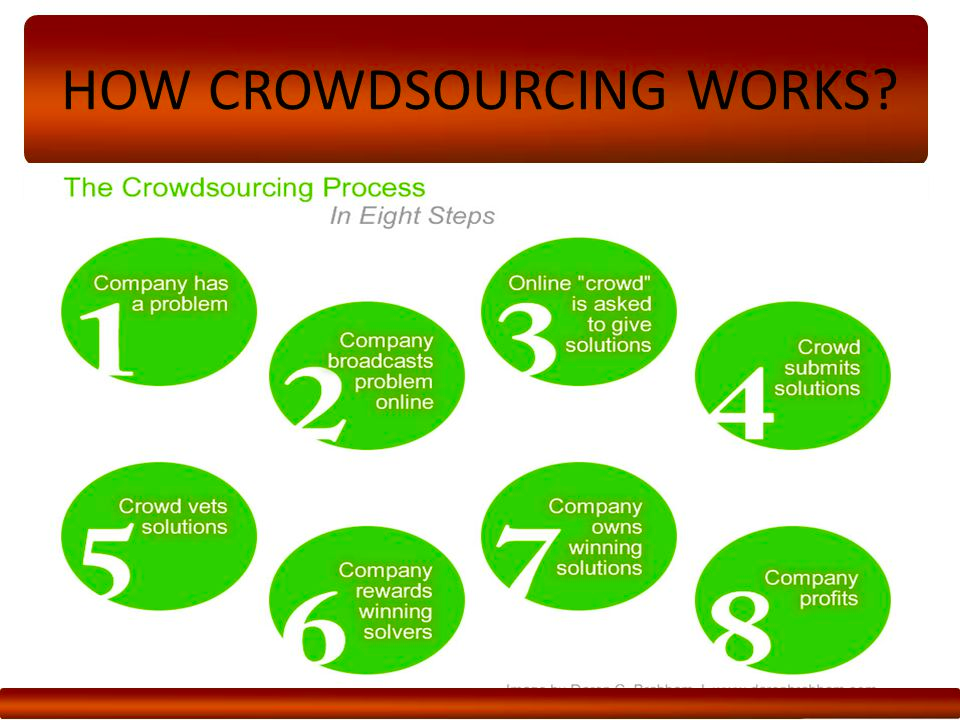
The method of compiling information known as ‘crowdsourcing’ has never been exclusively aligned to the development of the Internet, however, with increased communication know being made possible, this practice has only improved. Documented examples of crowdsourcing date as far back as 1714, when a £20,000 reward was offered by the British government to anyone who could solve their “longitude problem” (Riccardi 2016, p. 122). Whereas, in more contemporary disasters such as an earthquake or terrorist attack, governments, news agencies or any communication outlets utilise the instantaneous access of the Internet to efficiently gather key details from bystanders or professionals in order to resolve the conflict before any further damage occurs. This improved ability to use the Internet, as well as social media and other platforms, to “virtually harness the power of individuals” and support any range of skills or knowledge to come to a democratically-supported outcome of a disaster, or more mundane event, with little room for bias (Riccardi 2016, p. 122). However, in order to present this information clearly for collators and consumers alike, specific forms of communication within the collaborative nature of crowdsourcing must be applied.
We are all Social Mappers
Within the open and beneficial methods of crowdsourcing comes ‘crowd-mapping’, also known as ‘social-mapping’, with dedicated tools specifically designed to aid with colossal crises across the globe. This more visual-focused practice involves communities or publics locating vital areas that are involved in incidents, such as floodwater rising, then being placed on to an interactive map to be viewed online (Posetti 2011, p. 37). With such an amateur and immediate approach to reporting visual coverage brings forth the question of whether this information is always entirely reliable or not. Is more information and faster information, better information? Websites that are easily accessible such as Ushahidi collate user-generated reports and map data all into one click or tap of a web-connected device, allowing for all of us to become social-mappers. However, to ensure everything we view is as valid and reliable as possible, we must familiarise ourselves with “verified/unverified content” as a consumer, as well as “provide clear time stamps” and allow for emergency sources to become involved if we are to choose to participate in uploading mapping information for the world to see (Posetti 2011, p. 38). Such an openly humane method of mapping means that we not only receive the dedication and hope of humanity, but also our natural errors that must be deciphered in order to be avoided.
With disasters and calamity, always comes cooperation and perseverance. Through the generalised ideals of crowdsourcing to involves entire communities in creating change, to the commitment and openness of social mapping, no one is excluded from the unavoidable path of our increased interconnectivity. These methods have proven to that, with or without the Internet, we all must thrive off one another’s collectivity during times of uncertainty.
References
Posetti, J. (2011). The Twitterisation of ABC's emergency and disaster communication, The Australian Journal of Emergency Management, pp. 34-39. Retrieved from https://search-informit-org.ezproxy.lib.swin.edu.au/doi/10.3316/INFORMIT.046926063833158.
Riccardi, M. (2016). The power of crowdsourcing in disaster response operations, International Journal of Disaster Risk Reduction, pp. 123-128. Retrieved from https://www-sciencedirect-com.ezproxy.lib.swin.edu.au/science/article/pii/S2212420916302199.
Comments