
How Do We Form Social Experiences within the Confines of Social Media?
- Dylan Filby

- Mar 28, 2022
- 3 min read
Updated: Apr 3, 2022
New contexts, new technology, and new ways of communicating with people across the globe have evolved the social experiences that us humans typically expect.
How are our social experiences in each of these contexts bound up with social media platforms and their affordances, and how do we make use of them?
My Digital Identity
As a child of 2001, my upbringing began and evolved with the Internet and the rise of digital communities that now surround us. Of course my social experiences were still in the playground and with different friend groups during younger years. In roughly 2004-2005, the Internet starting becoming mainstream and accessible through home computers.
Social media sites such as MySpace, and then Facebook, transformed into platforms that would shape the lives of everyone around me. Whilst these social networks were around during my childhood, my younger age and the discouragement of older consumers around me meant that these sites were not as relevant until my venture into teenage years, leading my generation into one of the youngest to first interact with these sites.
This begs the question: are young kids in current generations becoming a part of digital communities earlier and earlier? That seems most likely.
The identity of individuals in society has changed considerably due to these new boundaries... or lack thereof.
Contemporary Affordances and Needs
We have been ushered into a new age of communication with new expectations in the contemporary digital era.
Sherry Turkle in her 2013 TED Talk above highlights these affordances with a term known as the “Goldilock Effect”, where social experiences surrounding digital communication must be “not too close, not too far, but just right” (TED-Ed 2013). These affordances of easy, simple and convenient spaces online to talk to one another has become a norm for younger generations, and even many older people. This current social context of the 21st century binds interactions to controlled opportunities to “edit”, “delete”, or even “retouch” their mannerisms and linguistics to make everything “just right” (TED-Ed 2013).
But what about the affordances of real-life social interactions? Do we still expect anything?
What is Real to Us?
The growing needs and demands of social media, as well as the experiences that these platforms have ingrained into society begs us to wonder if these new wonders are more harmful than good.
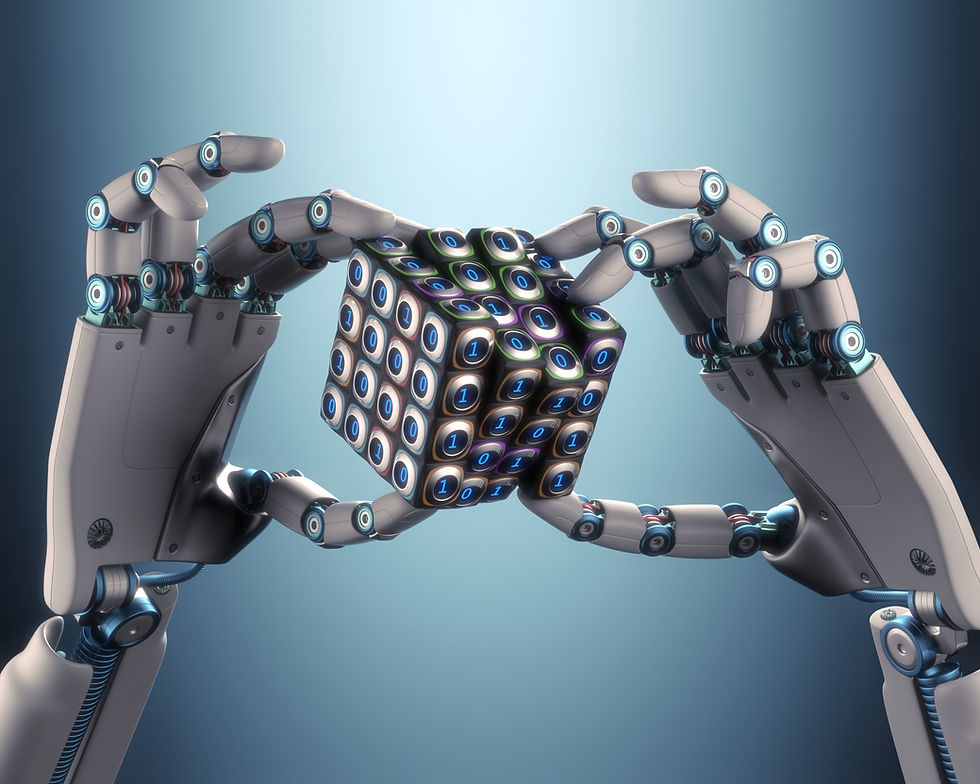
Our online identities that have been constructed within these digital communities create opportunities for distorted views of reality to arise. The term “hyperreality” becomes prevalent when both physical and virtual realities intertwine to a point of becoming seamless and indistinguishable from one another (p. 7). This idea may be laughed at by many, but it is more real than many of the social interactions that are apparently being made daily in digital landscapes. This “mythological reality” that has been created by the media is something that cannot be avoided in this day and age, but much of the time, hyperreality between these platforms is “conjured up by the people themselves” (p. 134).
We must question ourselves and how much of our reality is actually real.

It evident that the growing number of social media platforms are their relevance in contemporary society have altered our expectations of social experiences, for better or worse.
With online identities creating a blur between the social layers of reality, new phenomena in digital communities and the platforms that fuel their evolution have allowed us to become so much more connected with each other, but sometimes still left desiring something more...
References
Tiffan, J & Terashima, N 2013, HyperReality: Paradigm for the Third Millenium, London & New York: Routledge.
Turkle, S. [TED-Ed]. (2013, April 20). Connected, but alone? [Video file]. Retrieved from https://www.youtube.com/watch?v=rv0g8TsnA6c&ab_channel=TED-Ed.

Comments